Leaky Gut Syndrome: Separating Science from Hype

"Intestinal permeability is real, measurable, and clinically significant. What is not real is the idea that a single supplement or 3-day cleanse will fix it. Healing the gut barrier requires understanding what damaged it and systematically addressing each factor." - Dt. Trishala Goswami, MSc Clinical Nutritionist
Few topics in nutrition generate more confusion than "leaky gut." On one side, you have conventional gastroenterologists who dismiss it as a wellness fad with no scientific basis. On the other, you have functional medicine practitioners and supplement companies who blame it for everything from acne to autoimmunity and sell expensive protocols to "seal" it.
The reality is more nuanced. Increased intestinal permeability - the scientific term for what popular culture calls "leaky gut" - is a well-documented phenomenon with over 11,000 peer-reviewed publications. It is measurable through validated tests. It is associated with numerous chronic conditions. What remains debated is the cause-and-effect relationship: does increased permeability cause disease, or does disease cause increased permeability? The answer, supported by emerging research, is likely bidirectional.
In this article, I will explain what intestinal permeability actually means, what the evidence supports, what causes it, and what evidence-based strategies can help restore barrier function - without the hype, fear-mongering, or miracle cures.
Table of Contents
What Is Intestinal Permeability?
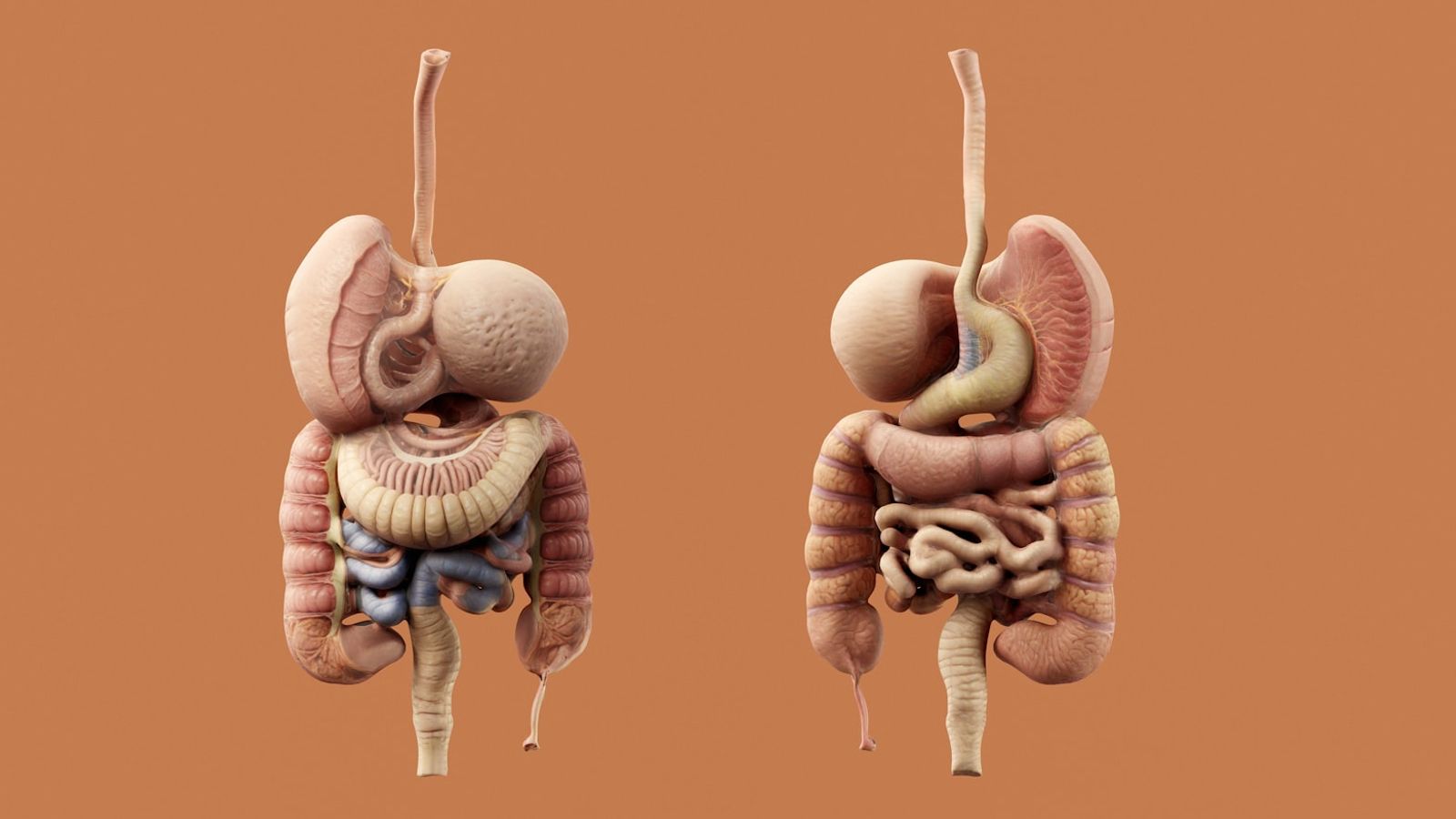
Your intestinal lining is a single layer of cells (enterocytes) held together by protein structures called tight junctions. This barrier has a remarkable dual function: it must absorb nutrients from digested food (permitting passage of beneficial molecules) while simultaneously blocking pathogens, toxins, and partially digested food particles from entering the bloodstream.
When tight junctions are functioning correctly, this barrier is selectively permeable - allowing amino acids, fatty acids, simple sugars, vitamins, and minerals through while blocking larger molecules, bacteria, and toxins.
When tight junctions are disrupted - through inflammation, certain foods, infections, stress, or medications - the barrier becomes more permeable than it should be. Larger molecules, bacterial components (particularly lipopolysaccharides or LPS), and food particles can cross into the bloodstream, triggering immune activation and systemic inflammation.
Fasano (2012) published a landmark review in Clinical Reviews in Allergy and Immunology identifying zonulin as a key regulator of intestinal permeability. Zonulin is a protein that modulates tight junctions - when released in excess (triggered by gluten, certain bacteria, or other stimuli), it opens tight junctions beyond normal levels.
The Science: What Research Actually Shows
The evidence connects increased intestinal permeability to several conditions:
Autoimmune diseases: Research by Mu et al. (2017) in Frontiers in Immunology documented increased intestinal permeability in type 1 diabetes, celiac disease, inflammatory bowel disease, multiple sclerosis, and rheumatoid arthritis. The proposed mechanism: foreign molecules entering circulation trigger immune responses that, in genetically susceptible individuals, cross-react with body tissues (molecular mimicry).
Metabolic disorders: Cani et al. (2007) in Diabetes demonstrated that high-fat diets increase intestinal permeability, allowing bacterial LPS into circulation (metabolic endotoxemia), which triggers insulin resistance and inflammation. This has been replicated in multiple subsequent studies.
Mental health: The gut-brain connection means that inflammatory molecules crossing a permeable gut barrier can affect brain function. Maes et al. (2012) in Neuroendocrinology Letters found elevated markers of intestinal permeability in patients with depression.
Allergies and food sensitivities: Increased permeability allows food proteins to enter circulation in partially digested form, triggering IgG-mediated immune responses - potentially explaining the development of multiple food sensitivities.
What the evidence does NOT conclusively show: that increased permeability alone causes these conditions. Genetics, other environmental factors, and the specific immune response all play roles. Intestinal permeability is likely one piece of a complex puzzle rather than the single root cause of all chronic disease - a distinction the wellness industry often fails to make.
What Damages the Gut Barrier?
Several factors with strong evidence for increasing intestinal permeability:
Non-steroidal anti-inflammatory drugs (NSAIDs): Ibuprofen, diclofenac, aspirin - these directly damage the intestinal lining within hours of ingestion. Bjarnason et al. (1993) in Gastroenterology documented that short-term NSAID use increased intestinal permeability within 12-24 hours. In India, where NSAIDs are available over-the-counter and used frequently, this is a major concern.
Alcohol: Disrupts tight junction proteins and increases LPS translocation into blood. Even moderate regular alcohol consumption may maintain slightly elevated permeability.
Chronic stress: Cortisol reduces mucus production (the protective layer above enterocytes), alters microbiome composition, and directly affects tight junction expression. Soderholm and Perdue (2001) in American Journal of Physiology documented stress-induced barrier dysfunction.
Certain dietary components: Refined sugar, emulsifiers (found in processed foods), and high-fat meals can increase permeability. Chassaing et al. (2015) in Nature showed that common food emulsifiers (carboxymethylcellulose and polysorbate-80) disrupted the gut barrier in animal models.
Dysbiosis: An imbalanced microbiome fails to maintain barrier function. Beneficial bacteria produce short-chain fatty acids (especially butyrate) that directly fuel enterocytes and strengthen tight junctions. Without adequate SCFA production, the barrier weakens.
Gluten (in susceptible individuals): Zonulin release triggered by gliadin (a gluten protein) increases permeability. This occurs in celiac disease and, to a lesser extent, in non-celiac gluten sensitivity. Research by Lammers et al. (2008) in Gastroenterology confirmed this mechanism.
Infections and parasites: Acute gastroenteritis can damage the barrier, and recovery may take weeks to months. Post-infectious IBS is essentially prolonged barrier dysfunction after an acute infection.
Signs That May Indicate Increased Permeability
There is no single definitive symptom. The presentation depends on how the individual's immune system responds to the translocated molecules. However, patterns I commonly see:
Digestive symptoms: bloating, gas, irregular bowel habits, food sensitivities multiplying over time. Systemic inflammation signs: joint pain without injury, skin issues (eczema, acne, psoriasis), chronic fatigue, brain fog. Immune dysregulation: frequent infections, autoimmune tendencies, allergies worsening over time. Nutritional deficiencies despite adequate dietary intake.
Testing: The lactulose-mannitol test (or PEG-based permeability test) directly measures intestinal permeability. Serum zonulin can be measured as a marker. Elevated LPS antibodies suggest bacterial translocation. These tests are available in India through specialized functional medicine labs.
Evidence-Based Strategies for Gut Barrier Repair
Based on published clinical research, here are strategies with actual evidence for improving intestinal barrier function:
L-Glutamine: The primary fuel source for enterocytes. A randomized trial by Zhou et al. (2019) in Gut showed that L-glutamine supplementation (15g daily for 8 weeks) significantly reduced intestinal permeability markers in post-infectious IBS patients. I recommend 5-10g daily in water on an empty stomach (morning and evening).
Zinc: Essential for tight junction maintenance and mucosal repair. Sturniolo et al. (2001) in Inflammatory Bowel Diseases demonstrated that zinc supplementation reduced intestinal permeability in Crohn's disease patients. Dose: 15-30 mg zinc carnosine or zinc bisglycinate daily.
Butyrate (via fiber or supplement): Butyrate directly strengthens tight junctions and is the primary energy source for colonocytes. Produced by gut bacteria from fermentable fiber - prebiotic consumption is the best way to increase endogenous butyrate. If supplementing, tributyrin form is most effective.
Vitamin D: Maintains tight junction protein expression. Deficiency (endemic in India) is associated with increased permeability. Supplementation of 2,000-4,000 IU daily after testing levels.
Omega-3 fatty acids: Anti-inflammatory and membrane-stabilizing. EPA and DHA support intestinal cell membrane integrity. 2,000-3,000 mg total omega-3 daily.
Removing offending agents: Stop unnecessary NSAIDs. Reduce alcohol. Manage stress. Address dysbiosis. Identify and remove food triggers through elimination. This is often more important than adding supplements.
Bone broth or collagen: Provides amino acids (glycine, proline, glutamine) that support gut lining repair. While rigorous clinical trials are limited, the amino acid profile is theoretically supportive and traditional use across cultures suggests benefits.
Indian Foods That Support Barrier Health
Ghee: Contains butyric acid (the same butyrate that gut bacteria produce) which directly nourishes enterocytes. Traditional Ayurvedic medicine has used ghee for digestive healing for thousands of years - the science now supports the mechanism. 1-2 tablespoons daily.
Bone broth (from mutton or chicken bones): Rich in gelatin, glycine, and glutamine. Traditional winter preparations like paya soup and clear mutton shorba provide these amino acids in bioavailable form.
Fermented foods (prebiotic and barrier-supportive): Homemade dahi, kanji, and fermented rice all support butyrate-producing bacteria. The SCFAs they produce strengthen the barrier from within.
Turmeric: Curcumin has demonstrated barrier-protective effects through anti-inflammatory mechanisms. Research by Wang et al. (2012) in Molecular Nutrition and Food Research showed curcumin improved tight junction integrity. Include turmeric with black pepper daily in cooking.
Aloe vera: Internal aloe vera gel (food-grade) has mucosal-healing properties. 30-50 ml of fresh aloe gel on an empty stomach supports mucus layer restoration.
Coconut: Both coconut oil (lauric acid has antimicrobial properties) and coconut flesh (provides medium-chain triglycerides easily absorbed by damaged intestinal cells) support healing.
What Does NOT Work (Despite Marketing Claims)
"Gut healing" supplement stacks costing thousands: Many commercial gut-repair protocols contain 10-15 supplements with minimal or no evidence. The active ingredients with evidence (glutamine, zinc, vitamin D, omega-3) are inexpensive individually.
3-day or 7-day "gut cleanses": Barrier repair takes 4-12 weeks minimum. Short cleanses may provide temporary symptom relief through caloric restriction and anti-inflammatory effects but do not meaningfully repair structural damage.
Collagen peptide powders at low doses: While collagen provides useful amino acids, the 5-10g doses in commercial "beauty" collagen products are likely insufficient for gut repair. Therapeutic doses of glutamine (5-15g) are more evidence-based and cost-effective.
Avoiding all "inflammatory" foods permanently: Unnecessary long-term restriction (avoiding all gluten, all dairy, all legumes, all nightshades) without proper testing creates nutritional deficiencies and psychological stress - both of which worsen permeability. Identify YOUR specific triggers through systematic elimination rather than avoiding everything.
Key Takeaways
Intestinal permeability is a real, measurable phenomenon supported by thousands of peer-reviewed studies - not a wellness fad. The relationship between increased permeability and chronic disease is likely bidirectional and multifactorial - not the single cause of all illness. Major barrier-damaging factors include NSAIDs, alcohol, chronic stress, processed food additives, dysbiosis, and specific dietary triggers in susceptible individuals. Evidence-based repair strategies include L-glutamine (5-10g daily), zinc (15-30 mg), adequate vitamin D, omega-3s, and fiber for butyrate production. Removing offending agents is as important as adding healing supplements. Indian traditional foods - ghee (butyric acid), turmeric (barrier protection), bone broth (amino acids), and fermented foods (SCFA production) - align remarkably well with evidence-based repair strategies. Healing takes 8-12 weeks of consistent intervention - there are no quick fixes. Work with a qualified practitioner for proper testing, identification of causes, and supervised repair protocols.
Want to understand if intestinal permeability is contributing to your symptoms?
Book a consultation with Dt. Trishala Goswami on WhatsApp: Click here to book
Medical Disclaimer: This article is for educational purposes only. "Leaky gut" is not a recognized diagnosis in conventional medicine, though intestinal permeability is a documented phenomenon. If you have symptoms suggestive of autoimmune disease, IBD, or other serious conditions, please seek evaluation from an appropriate specialist. Do not discontinue prescribed medications based on this article.
Want to fix your digestion for good? Explore our Gut Health program with Dt. Trishala Goswami.
MSc Clinical Nutritionist · Diabetes Educator · Certified Nutrigenomics Specialist
Dt. Trishala Goswami is a clinical nutritionist and certified diabetes educator who designs personalized, science-backed nutrition programs for clients across India and abroad. She specializes in diabetes, PCOS, gut health, and nutrigenomics.
More about Dt. TrishalaWant a personalised Gut Health plan?
Articles can’t replace personalised care. Book a 30-min consultation with Dt. Trishala.
Living outside India? See how online consultations work for NRIs & global clients →
Related reads
The Best Foods for Gut Health: An Indian Dietitian's List
A healthy gut is built from everyday Indian food, not expensive supplements. A clinical nutritionist ranks the best foods for gut health - dahi, fermented batters, dals, and prebiotic vegetables - and how to eat them for real results.
Constipation Solutions: Beyond Fibre and Water
You are eating enough fibre. You are drinking enough water. And you are still constipated. A clinical nutritionist explains the hidden causes - from magnesium deficiency to thyroid dysfunction - and what actually works.
Fermented Indian Foods: Your Gut's Best Friends
Indian cuisine is one of the world's richest traditions of fermented foods - from idli batter to kanji to chaas. A clinical nutritionist explains the probiotic science behind these everyday preparations.