Low-FODMAP Indian Diet: A Practical Guide

"The low-FODMAP diet is the most evidence-based dietary approach for IBS - but trying to follow it with Western food lists while living on dal-roti is a recipe for confusion and failure." - Dt. Trishala Goswami, MSc Clinical Nutritionist
When my client Shruti, a 30-year-old teacher from Pune, was diagnosed with IBS after years of bloating, cramping, and unpredictable bowel habits, her gastroenterologist recommended a "low-FODMAP diet" and handed her a pamphlet. The pamphlet listed safe foods like sourdough bread, lactose-free milk, and maple syrup - and unsafe foods like "legumes." She looked at it, looked at her kitchen full of dal, onion, and garlic, and felt defeated before she even started.
This is the challenge that almost every Indian IBS patient faces. The low-FODMAP diet was developed by researchers at Monash University in Australia and has robust clinical evidence - a meta-analysis by Schumann et al. (2018) in Alimentary Pharmacology and Therapeutics found that it reduces IBS symptoms in 50-80% of patients. But the food lists are overwhelmingly Western-centric, and applying them to an Indian kitchen requires specific adaptation.
This guide gives you exactly that - a complete low-FODMAP protocol translated for Indian foods, with substitutions, meal plans, and practical strategies I use daily with my IBS clients.
Table of Contents
What Are FODMAPs and Why Do They Cause Symptoms?
FODMAP is an acronym for Fermentable Oligosaccharides, Disaccharides, Monosaccharides, And Polyols. These are specific types of short-chain carbohydrates and sugar alcohols that are poorly absorbed in the small intestine.
In people with normal gut function, FODMAPs pass harmlessly to the large intestine where they are fermented by bacteria - producing some gas but no significant symptoms. However, in people with IBS (who have visceral hypersensitivity - their gut nerves are more reactive), this fermentation causes disproportionate bloating, pain, distension, and altered bowel habits.
Additionally, FODMAPs are osmotically active - they draw water into the intestinal lumen, which can cause diarrhea in susceptible individuals. The combination of excess gas production and water influx creates the characteristic IBS symptoms.
Gibson and Shepherd (2005) first proposed the FODMAP concept in The Journal of Gastroenterology and Hepatology, and subsequent research from Monash University has refined and validated the approach through multiple randomized controlled trials.
The five FODMAP categories relevant to Indian diets:
Oligosaccharides (fructans and GOS): Found in wheat, onion, garlic, and legumes (galacto-oligosaccharides). These are the most common triggers in Indian diets.
Disaccharides (lactose): Found in milk, fresh paneer, and soft cheeses. Aged paneer and dahi are typically lower in lactose.
Monosaccharides (excess fructose): Found in honey, mango, apple, and watermelon.
Polyols (sorbitol and mannitol): Found in stone fruits (peach, plum), mushrooms, and artificial sweeteners.
The Three Phases of the Low-FODMAP Diet
This is not a lifelong restrictive diet. It is a diagnostic tool used in three phases:
Phase 1: Elimination (2-6 weeks). Remove all high-FODMAP foods simultaneously. This reduces symptoms and establishes a baseline. If symptoms do not improve in 6 weeks, FODMAPS may not be your primary trigger.
Phase 2: Reintroduction (6-10 weeks). Systematically reintroduce one FODMAP group at a time over 3 days while monitoring symptoms. This identifies which specific FODMAPs trigger YOUR symptoms - most people react to 1-3 categories, not all of them.
Phase 3: Personalization (lifelong). Based on reintroduction results, create a personalized diet that avoids only your specific triggers at problematic doses. This is far less restrictive than the elimination phase.
A common mistake is staying in Phase 1 permanently. This is nutritionally inadequate and unnecessarily restrictive. Research by Staudacher et al. (2012) in the Journal of Human Nutrition and Dietetics showed that prolonged strict low-FODMAP eating reduces beneficial Bifidobacteria - which is why reintroduction and personalization are essential.
Indian Foods: High-FODMAP vs. Low-FODMAP
Low-FODMAP Safe Indian Foods
Grains and flours: Rice (all varieties), rice flour, jowar (sorghum), bajra (pearl millet), ragi flour, buckwheat (kuttu), oats, quinoa, cornmeal (makki), and rice noodles.
Proteins: Eggs, chicken, fish, prawns, firm tofu, tempeh, and paneer (firm, aged - not fresh soft paneer).
Vegetables: Potato, tomato, spinach (palak), bottle gourd (lauki), ridge gourd (tori), snake gourd, green beans (in limited portions), carrots, bell peppers (capsicum), cucumber, lettuce, zucchini, eggplant (baingan), okra (bhindi), and pumpkin (kaddu).
Fruits (in controlled portions): Banana (firm, not overripe), grapes (limit 10-12), orange, kiwi, papaya, pineapple, and strawberry.
Fats and oils: All cooking oils, ghee, butter, coconut cream.
Spices (most are safe): Turmeric, cumin, coriander, black pepper, mustard seeds, curry leaves, fenugreek seeds, chili powder, garam masala (if no onion/garlic powder), cinnamon, cardamom, and cloves.
High-FODMAP Indian Foods to Eliminate in Phase 1
Legumes and dals (GOS): Rajma, chole, moong dal, toor dal, masoor dal, urad dal, lobia - essentially ALL commonly used Indian dals and legumes. This is the most challenging elimination for Indian diets.
Alliums: Onion (all forms - raw, cooked, powder), garlic (all forms), shallots, leeks, and the white part of spring onion.
Wheat products: Regular wheat roti, naan, bread, biscuits, pasta, suji/rava - the fructan content in wheat is problematic at typical Indian portion sizes (multiple rotis per meal).
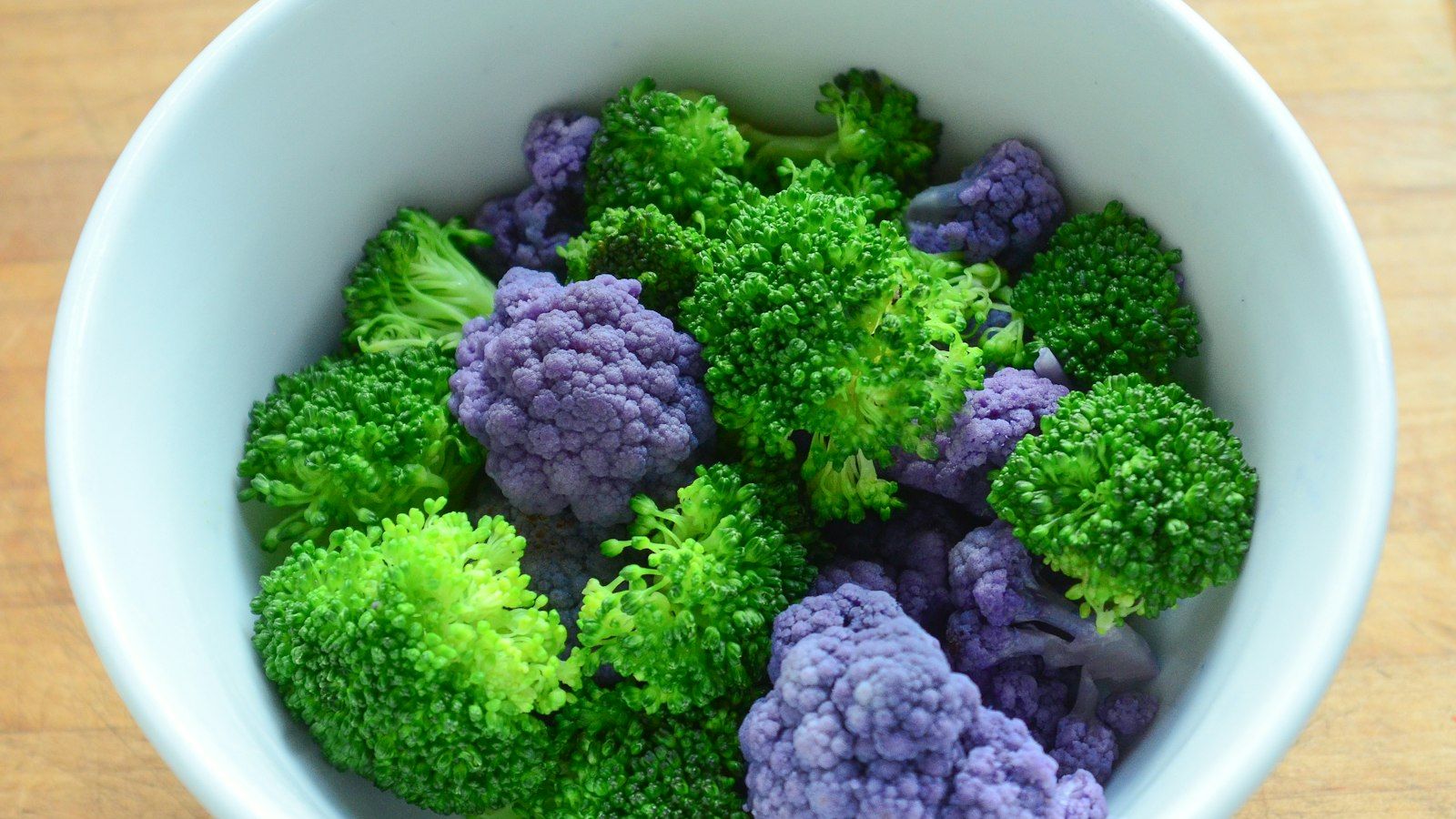
High-FODMAP vegetables: Cauliflower (gobi), mushrooms, bitter gourd in excess, and artichoke.
Dairy with lactose: Regular milk, lassi, fresh soft paneer, ice cream, and kheer.
Fruits: Mango, apple, watermelon, chiku (sapota), dried fruits (dates, raisins).
The Dal Problem and Solutions
Here is the biggest challenge for Indian IBS patients: dal is a daily staple, often the primary protein source for vegetarians, and it is high-FODMAP due to GOS (galacto-oligosaccharides) content. Eliminating all dal for 2-6 weeks feels impossible.
However, there are solutions I use in practice:
Canned/tinned chickpeas (drained and rinsed): Monash University research shows that the canning process leaches GOS into the liquid. Rinsing canned chickpeas reduces FODMAP content to safe levels (1/4 cup serving).
Firm tofu: Made from soybeans but the processing removes most GOS. A reliable protein source during elimination.
Small portions: Some dals are tolerable in very small amounts (2-3 tablespoons). Moong dal in small portions may be tolerated by some individuals even during elimination.
Sprouting: Germination reduces GOS content significantly. Well-sprouted moong may be better tolerated than cooked moong dal.
Alternative proteins: Increase eggs, chicken, fish, firm paneer, peanuts, and pumpkin seeds during the elimination phase to maintain protein intake.
Replacing the protein is not optional, and it becomes critical if you also have diabetes - dal is the food that flattens your post-meal glucose rise, so removing it without a substitute makes your readings worse. See managing low-FODMAP with diabetes for how to reconcile the two sets of rules.
Tempeh: Fermentation reduces FODMAP content of soybeans significantly. If available, tempeh is a good protein option.
Navigating Onion and Garlic
Indian cooking without onion and garlic seems unthinkable - they form the base of nearly every sabzi, curry, and dal preparation. But fructans from onion and garlic are among the most common IBS triggers.
Garlic-infused oil: The fructans in garlic are water-soluble but not fat-soluble. Heating garlic cloves in oil and then removing them transfers the flavor without the FODMAPs. This is the most important substitution to learn.
Green tops of spring onions: The green part only (not white) is low-FODMAP. Use generously as an onion substitute.
Asafoetida (hing): This traditional Indian spice provides a remarkably similar flavor profile to onion and garlic. Use liberally - a pinch of hing in hot oil replicates the base flavor of many Indian dishes.
Chives: Low-FODMAP and provide mild onion flavor.
Flavor-building without alliums: Ginger, galangal, lemongrass, curry leaves, mustard seeds, cumin, and fennel all build complex flavor. South Indian cooking (which uses less onion-garlic base) offers excellent low-FODMAP recipe templates.
7-Day Low-FODMAP Indian Meal Plan
Day 1: Breakfast: Rice dosa with potato filling (cooked with hing and curry leaves, no onion) and coconut chutney. Lunch: Rice with palak and firm paneer curry (made with garlic-infused oil, green tops of spring onion, hing). Dinner: Grilled chicken tikka with cucumber raita and 1 jowar roti.
Day 2: Breakfast: Oats porridge with banana, walnuts, and pumpkin seeds (made with lactose-free milk). Lunch: Bajra roti with baingan bharta (made with hing, tomato, no onion/garlic) and a small portion of sprouted moong salad. Dinner: Fish curry with rice and lauki sabzi.
Day 3: Breakfast: Scrambled eggs with tomato, spinach, and bell pepper. 1 rice flour roti. Lunch: Khichdi made with rice and a small amount of moong (2 tablespoons), loaded with vegetables (carrots, beans, pumpkin), generous ghee. Dinner: Tofu stir-fry with mixed vegetables in garlic-infused oil with 1 jowar roti.
Day 4: Breakfast: Ragi porridge with firm banana and chia seeds. Lunch: Rice with rasam (no onion, made with tomato, tamarind, pepper, curry leaves), papad, and potato sabzi. Dinner: Egg curry (boiled eggs in tomato-based gravy with hing and cumin) with 1 roti.
Day 5: Breakfast: Buckwheat (kuttu) cheela with coconut chutney and a glass of lactose-free milk. Lunch: Rice noodles (sevai) stir-fried with vegetables, peanuts, and tofu. Dinner: Grilled fish with mashed potato and steamed vegetables.
Day 6: Breakfast: Poha (flattened rice) with peanuts, potato, curry leaves, turmeric (no onion - use green spring onion tops). Lunch: Jowar roti with tori (ridge gourd) sabzi and firm paneer tikka. Dinner: Chicken curry (tomato-based, hing, ginger, spices - no onion/garlic) with rice.
Day 7: Breakfast: Idli (rice-based, fermentation helps) with sambar made without onion (use hing, tomato, drumstick, gourd vegetables). Lunch: Rice with kadhi (made with besan and buttermilk - check tolerance; use lactose-free if needed) and aloo sabzi. Dinner: Egg bhurji with capsicum, tomato, and green chili. 1 bajra roti.
Reintroduction: Finding Your Triggers
After 2-6 weeks of elimination (once symptoms have improved at least 50%), begin systematic reintroduction. If they have not improved that much, the cause may not be FODMAP sensitivity at all - bacterial overgrowth is the usual explanation for a low-FODMAP diet that does not work, and SIBO and Indian diets covers what changes then.
The reintroduction schedule:
Week 1: Test fructans (onion). Day 1: small amount of cooked onion (1 tablespoon). Day 2: medium amount (2 tablespoons). Day 3: larger amount (quarter onion). Monitor symptoms for 2-3 days after each test. If no symptoms, onion is not your trigger.
Week 2: Test GOS (lentils). Day 1: 2 tablespoons cooked dal. Day 2: 4 tablespoons. Day 3: half katori. Monitor symptoms.
Week 3: Test fructans (garlic). Day 1: quarter clove. Day 2: half clove. Day 3: full clove cooked in food.
Week 4: Test lactose. Day 1: quarter cup milk. Day 2: half cup. Day 3: full cup.
Continue through each FODMAP group. This process identifies your specific sensitivities - most people find they react to 1-3 groups while tolerating others. Your final diet eliminates only YOUR triggers, not all FODMAPs universally.
Key Takeaways
The low-FODMAP diet is a three-phase diagnostic protocol, not a permanent restriction. Indian diets are challenging for low-FODMAP because dal, onion, garlic, and wheat are central - but substitutions exist for all of them. Garlic-infused oil, hing, and spring onion greens replace the flavor base without FODMAPs. During elimination, increase alternative proteins (eggs, chicken, fish, firm paneer, tofu) to compensate for dal restriction. Sprouting, rinsing canned legumes, and small portions can make some legumes tolerable. South Indian cooking templates (which rely less on onion-garlic base) adapt well to low-FODMAP requirements. Reintroduction is essential - staying in elimination permanently is nutritionally inappropriate and unnecessarily restrictive. Most people tolerate some FODMAPs at certain doses - the goal is finding YOUR threshold. Work with a qualified nutritionist for proper guidance through all three phases. The low-FODMAP diet works for IBS (50-80% response rate) but is not appropriate for all digestive conditions - proper diagnosis first.
Need help implementing a low-FODMAP protocol adapted to your Indian kitchen?
Book a consultation with Dt. Trishala Goswami on WhatsApp: Click here to book
Medical Disclaimer: The low-FODMAP diet should be implemented under the guidance of a qualified dietitian/nutritionist experienced in this protocol. It is designed for diagnosed IBS - if you have undiagnosed digestive symptoms, please see a gastroenterologist first to rule out conditions like celiac disease, IBD, or colorectal issues. Self-diagnosis and self-restriction without professional guidance can lead to nutritional deficiencies and missed diagnoses.
Want to fix your digestion for good? Explore our Gut Health program with Dt. Trishala Goswami.
MSc Clinical Nutritionist · Diabetes Educator · Certified Nutrigenomics Specialist
Dt. Trishala Goswami is a clinical nutritionist and certified diabetes educator who designs personalized, science-backed nutrition programs for clients across India and abroad. She specializes in diabetes, PCOS, gut health, and nutrigenomics.
More about Dt. TrishalaWant a personalised Gut Health plan?
Articles can’t replace personalised care. Book a 30-min consultation with Dt. Trishala.
Living outside India? See how online consultations work for NRIs & global clients →
Related reads
The Best Foods for Gut Health: An Indian Dietitian's List
A healthy gut is built from everyday Indian food, not expensive supplements. A clinical nutritionist ranks the best foods for gut health - dahi, fermented batters, dals, and prebiotic vegetables - and how to eat them for real results.
Constipation Solutions: Beyond Fibre and Water
You are eating enough fibre. You are drinking enough water. And you are still constipated. A clinical nutritionist explains the hidden causes - from magnesium deficiency to thyroid dysfunction - and what actually works.
Fermented Indian Foods: Your Gut's Best Friends
Indian cuisine is one of the world's richest traditions of fermented foods - from idli batter to kanji to chaas. A clinical nutritionist explains the probiotic science behind these everyday preparations.