Nutrigenomics Explained: How DNA Shapes Your Diet

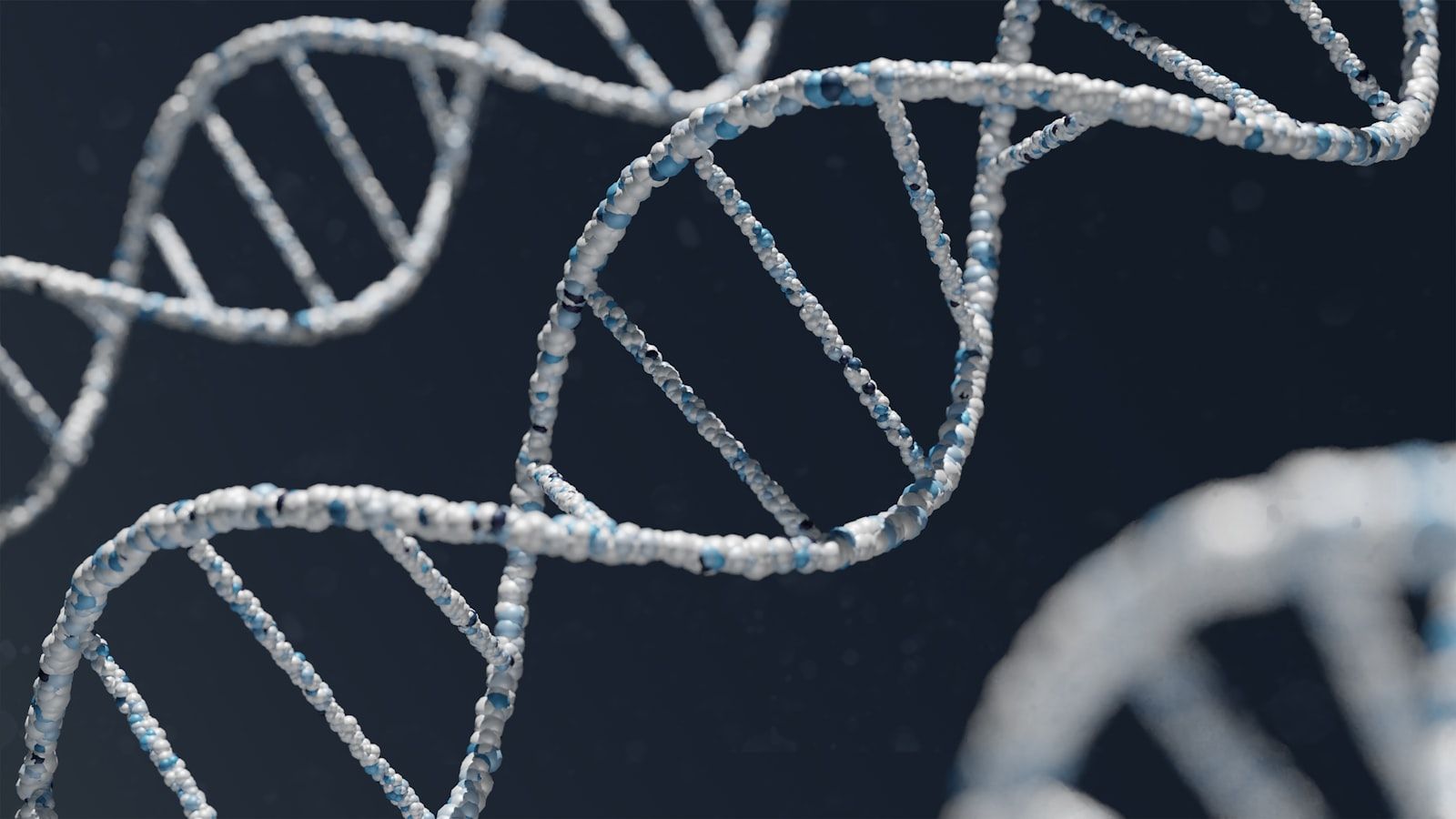
"Nutrigenomics does not replace good nutrition principles - it personalizes them. It tells us why the same diet produces different results in different bodies, and that knowledge changes everything." - Dt. Trishala Goswami, MSc Clinical Nutritionist & Certified Nutrigenomics Specialist
Two sisters sit across from me in my clinic. Both have PCOS. Both are vegetarian. Both have been eating the "same healthy diet" for six months. One has seen significant improvement - her periods have regulated, her acne has cleared, and she has lost 4 kg. The other has seen minimal change despite identical dietary adherence.
This scenario plays out constantly in clinical nutrition, and it used to frustrate both practitioners and patients. Why does the same intervention produce different results in different people? The answer, we now understand, lies partly in their genetic variations - the field of nutrigenomics.
Nutrigenomics is the science of how your individual genetic makeup influences your response to nutrients, and conversely, how nutrients influence gene expression. It explains why some people thrive on high-fat diets while others develop lipid problems. Why some people metabolize caffeine quickly while others are jittery for hours. Why some people need significantly more folate, vitamin D, or omega-3 than others.
As a certified nutrigenomics specialist, I use genetic insights daily to personalize nutrition plans. This article explains what nutrigenomics is, what it can and cannot do, and how it might change the way you think about your diet.
Table of Contents
What Is Nutrigenomics?
Nutrigenomics operates at the intersection of nutrition science and genomics. It encompasses two related concepts:
Nutrigenomics (diet affects genes): How nutrients and food compounds influence gene expression - turning genes "on" or "off" through epigenetic mechanisms. For example, sulforaphane from broccoli activates detoxification genes, while excessive sugar consumption can upregulate inflammatory gene expression.
Nutrigenetics (genes affect diet response): How genetic variations (single nucleotide polymorphisms, or SNPs) alter an individual's response to specific nutrients. For example, variations in the MTHFR gene affect how efficiently you convert folic acid to its active form (methylfolate).
The field was catalyzed by the completion of the Human Genome Project in 2003 and has expanded rapidly. A foundational review by Fenech et al. (2011) in the Journal of Nutrigenetics and Nutrigenomics outlined how genome-based nutrition advice could improve chronic disease prevention by tailoring dietary recommendations to individual genetic susceptibility.
The core insight is that population-level dietary guidelines (such as "eat 5 servings of vegetables" or "limit saturated fat to 10% of calories") represent averages that work for most people. But "most people" is not "all people" - and for individuals whose genetics place them outside the average response, standard recommendations may be suboptimal or even counterproductive.
Key Genetic Variations That Affect Nutrition
Among the thousands of nutrition-related SNPs identified, several have robust evidence and immediate clinical relevance:
MTHFR (Methylenetetrahydrofolate reductase): Variants C677T and A1298C affect folate metabolism - the enzyme that converts folic acid to its active methylfolate form works 30-70% less efficiently in variant carriers. This affects homocysteine metabolism, methylation processes, detoxification, and neural development. Prevalence: approximately 40-50% of South Asian populations carry at least one variant.
FTO (Fat mass and obesity-associated gene): The FTO rs9939609 variant is associated with increased appetite, reduced satiety signaling, and a predisposition to weight gain. Research by Frayling et al. (2007) in Science identified this as one of the strongest genetic predictors of obesity risk. Carriers benefit from higher protein diets (which enhance satiety) and structured meal timing.
APOE (Apolipoprotein E): Three variants (E2, E3, E4) dramatically affect lipid metabolism and cardiovascular risk. APOE4 carriers have significantly elevated heart disease risk with high saturated fat intake, while APOE2 carriers are more tolerant. This determines whether a high-fat, low-carb diet is safe for a specific individual.
CYP1A2 (Cytochrome P450 1A2): Determines caffeine metabolism speed. "Fast metabolizers" clear caffeine quickly and may even get cardiovascular benefit from coffee. "Slow metabolizers" have prolonged caffeine exposure and face increased heart attack risk with high coffee consumption. Cornelis et al. (2006) in JAMA demonstrated this gene-coffee interaction.
VDR (Vitamin D Receptor): Variations affect how efficiently the body utilizes vitamin D. Some individuals require significantly higher vitamin D intake to achieve the same serum levels - explaining why standard supplementation doses work for some people but not others.
LCT (Lactase persistence): Determines whether lactase production continues into adulthood. The persistence variant is less common in Indian populations than in Northern Europeans, explaining the high prevalence of lactose intolerance in India.
How Nutrigenomic Testing Works
A nutrigenomic test typically involves a simple saliva or cheek swab sample, which is sent to a laboratory for DNA extraction and analysis. The lab examines specific SNPs relevant to nutrition - typically 40-100 genes covering areas like macronutrient metabolism, vitamin and mineral needs, food sensitivities, detoxification capacity, inflammation tendency, and exercise response.
Results are presented as a report indicating which variants you carry and what they mean for your nutritional needs. A qualified nutrigenomics practitioner then interprets these results in the context of your health history, current symptoms, lab work, and dietary patterns to create personalized recommendations.
It is crucial to understand that genetic testing provides predisposition data, not destiny. Having a variant associated with higher obesity risk does not guarantee obesity - it means you may need to be more strategic about food choices and physical activity than someone without that variant. Environment, lifestyle, and dietary choices still account for 70-80% of health outcomes. Genetics loads the gun; environment pulls the trigger.
Real-World Clinical Applications
Here is how I use nutrigenomics in my practice:
Personalized macronutrient ratios: An individual with FTO variants and poor APOE4 lipid metabolism gets a different macronutrient prescription (moderate fat, higher protein, controlled carbs) than someone with APOE2 (who can handle higher fat without lipid problems).
Targeted supplementation: Rather than prescribing the same supplement stack to everyone, I use genetic data to determine who actually needs methylfolate (MTHFR variants), who needs higher vitamin D (VDR variants), who should prioritize omega-3 (FADS1/2 variants affecting omega-3 conversion), and who has increased needs for B12, choline, or antioxidants.
Caffeine and alcohol guidance: CYP1A2 testing tells me whether a client can safely consume 2-3 cups of coffee or should limit to one. ALDH2 testing indicates alcohol metabolism capacity and associated cancer risk.
Exercise prescription: ACTN3 and ACE gene variants indicate whether someone is predisposed to endurance or power-type exercise responses - helping tailor the movement component of their wellness plan.
Weight management approach: Genetic data helps predict whether a client will respond better to low-carb, Mediterranean, higher-protein, or time-restricted eating approaches - reducing the trial-and-error period significantly.
The Indian Genetic Context
Indian populations carry specific genetic patterns that make nutrigenomics particularly relevant:
High MTHFR variant prevalence: Research by Rai et al. (2012) in the Indian Journal of Human Genetics found that MTHFR C677T variant frequency is 15-20% in Indian populations. Combined with widespread folate deficiency and vegetarian diets (which may be low in B12 - essential for methylation), this creates a significant metabolic bottleneck that nutrigenomics can identify and address.
Thrifty gene hypothesis: South Asian populations may carry genetic adaptations for famine survival - genes that promote efficient calorie storage. In the modern environment of food abundance, these same genes predispose to central obesity, insulin resistance, and type 2 diabetes at lower BMI thresholds than European populations. Understanding this genetic context explains the "thin-fat Indian" phenotype.
Lactase non-persistence: The majority of Indian adults carry the LCT variant associated with lactose non-persistence, explaining why 60-70% have some degree of lactose intolerance despite dairy being central to Indian food culture.
APOE distribution: Indian populations have a lower frequency of APOE4 (approximately 7-10% vs. 14-15% globally) but those who carry it face similar cardiovascular risk elevation - identification allows targeted lipid management.
Limitations and What Nutrigenomics Cannot Do
I believe strongly in nutrigenomics, but intellectual honesty requires acknowledging its current limitations:
It is not deterministic: Genes create predispositions, not certainties. A "risk" variant means increased probability, not guaranteed outcome. Lifestyle, diet, stress, and environment remain the dominant factors for most conditions.
Many gene-nutrient interactions are still being discovered. The field is young - we understand perhaps 20-30% of the relevant genetic landscape. Current tests cover the best-established variants, but important interactions remain unknown.
Epigenetics adds complexity. Gene expression changes with age, diet, stress, toxin exposure, and other environmental factors. Your genetic blueprint is static, but which genes are active changes throughout life.
Commercial test quality varies enormously. Some direct-to-consumer tests analyze very few SNPs and provide oversimplified recommendations. The value of nutrigenomics depends on comprehensive testing AND qualified interpretation by a trained professional - the report alone is not sufficient.
It does not replace basic nutrition principles. No genetic variant makes vegetables unnecessary or junk food healthy. Nutrigenomics personalizes within the framework of evidence-based nutrition - it does not replace it.
Should You Get Tested?
Nutrigenomic testing is most valuable for:
Individuals who have tried multiple dietary approaches without consistent results. People with family histories of chronic disease (diabetes, heart disease, cancer) who want preventive strategies tailored to their specific risk. Women with PCOS, thyroid disorders, or fertility challenges where metabolic personalization can improve outcomes. Anyone managing a chronic condition where standard dietary advice has plateaued. Health-conscious individuals who want to optimize rather than just manage.
It is less necessary for individuals who are healthy, respond well to standard nutrition advice, and have no significant family history of metabolic disease. Good nutrition principles work for most people without genetic testing.
If you do pursue testing, ensure it is conducted through a reputable laboratory and interpreted by a qualified nutrigenomics practitioner - not just an automated report. The interpretation and clinical application are where the value lies.
Key Takeaways
Nutrigenomics explains why the same diet produces different results in different people - genetic variations affect nutrient metabolism, food sensitivities, and disease risk. Key genes with strong nutrition relevance include MTHFR (folate), FTO (obesity risk), APOE (fat metabolism), CYP1A2 (caffeine), and VDR (vitamin D). Indian populations have specific genetic patterns (high MTHFR variant frequency, thrifty gene adaptations, lactase non-persistence) that make personalized nutrition particularly valuable. Genetic predisposition is not destiny - lifestyle and diet account for 70-80% of health outcomes. Nutrigenomics personalizes within evidence-based nutrition frameworks - it does not replace them. The value lies in qualified interpretation, not just raw genetic data - work with a trained nutrigenomics practitioner. Testing is most valuable for individuals who have not responded to standard dietary approaches or who have significant family disease history. The field is evolving rapidly - current tests capture established variants, but our understanding continues to expand.
Interested in a nutrigenomics-guided nutrition plan tailored to your DNA?
Book a consultation with Dt. Trishala Goswami on WhatsApp: Click here to book
Medical Disclaimer: Nutrigenomic testing is for wellness optimization and disease risk assessment - it is not a diagnostic tool for active disease. Genetic results should be interpreted by qualified professionals and integrated with clinical evaluation, lab work, and health history. Do not make medication changes based on genetic test results without consulting your physician.
Curious what your genes say about your diet? Explore our Nutrigenomics program with Dt. Trishala Goswami.
Related reading
MSc Clinical Nutritionist · Diabetes Educator · Certified Nutrigenomics Specialist
Dt. Trishala Goswami is a clinical nutritionist and certified diabetes educator who designs personalized, science-backed nutrition programs for clients across India and abroad. She specializes in diabetes, PCOS, gut health, and nutrigenomics.
More about Dt. TrishalaWant a personalised Nutrigenomics plan?
Articles can’t replace personalised care. Book a 30-min consultation with Dt. Trishala.
Living outside India? See how online consultations work for NRIs & global clients →
Related reads
FTO Gene and Obesity: Can Your DNA Make You Gain Weight?
Struggling with weight despite doing everything right? The FTO gene variant affects appetite and fat storage in nearly 30% of Indians. A nutrigenomics specialist explains what it means and what you can do.
The FTO Gene and Weight Loss: Why Some Indians Struggle More (And What Helps)
The FTO gene variant - which affects hunger hormones and fat storage - has higher prevalence in South Asians than in European populations. If you carry it, standard calorie-counting advice may consistently underperform. Here is why, and what the evidence suggests helps.
Is a DNA Diet Test Worth It in India? A Nutrigenomics Specialist's Honest Answer
DNA diet testing is growing in popularity in India, but the value depends entirely on what you do with the results. A Certified Nutrigenomics Specialist explains what these tests can and cannot tell you - and when they are genuinely worth it.