Probiotics vs Prebiotics: What Your Gut Actually Needs

"Probiotics are the soldiers, prebiotics are the food that keeps those soldiers alive and fighting. Without prebiotics, even the best probiotic supplement is a temporary visitor that never takes up permanent residence." - Dt. Trishala Goswami, MSc Clinical Nutritionist
The supplement industry has turned gut health into a billion-dollar market. Probiotic capsules, prebiotic powders, synbiotic combinations - walk into any pharmacy in India and you will find an entire shelf dedicated to digestive supplements. But most of my clients who come in already taking a probiotic are doing it wrong. They are taking the wrong strains for their condition, at insufficient doses, without the prebiotic fiber needed to sustain colonization, and often without addressing the dietary factors that disrupted their gut in the first place.
In this guide, I want to clarify what probiotics and prebiotics actually are, when each is appropriate, what the research supports, and - most importantly - how traditional Indian food culture already provides both in ways that no supplement can fully replicate.
Table of Contents
Probiotics: What They Are and What They Do
Probiotics are live microorganisms that, when consumed in adequate amounts, confer a health benefit on the host. This definition, established by the WHO/FAO in 2001, emphasizes two critical points: the organisms must be alive when consumed, and they must be consumed in sufficient quantities to have an effect.
Your gut contains approximately 100 trillion bacteria from over 1,000 different species. This community - your gut microbiome - performs functions essential for health: synthesizing vitamins (B12, K, folate), producing short-chain fatty acids that fuel intestinal cells, training your immune system, metabolizing hormones, producing neurotransmitters, and defending against pathogenic invaders.
Probiotics work through several mechanisms documented by Sanders et al. (2019) in Nature Reviews Gastroenterology and Hepatology: they compete with pathogens for attachment sites on the intestinal wall, produce antimicrobial substances (bacteriocins) that inhibit harmful bacteria, strengthen the intestinal barrier (tight junctions between cells), modulate immune responses, and produce beneficial metabolites.
However, not all probiotics are equal. Different strains have different effects - Lactobacillus rhamnosus GG supports immune function and prevents antibiotic-associated diarrhea, while Bifidobacterium longum may help with IBS symptoms and anxiety. Strain specificity matters enormously, and a generic "probiotic" label without strain identification tells you very little.
Prebiotics: The Unsung Heroes
Prebiotics are non-digestible food components (primarily specific types of fiber) that selectively feed beneficial bacteria in your gut. While probiotics introduce new bacteria, prebiotics nurture the bacteria you already have - helping them multiply, produce more beneficial metabolites, and maintain dominance over pathogenic species.
The concept was first defined by Gibson and Roberfroid (1995) in the Journal of Nutrition and has since expanded. The key prebiotics with clinical evidence include:
Inulin and fructo-oligosaccharides (FOS): Found in garlic, onion, banana, chicory root, and wheat. These feed Bifidobacteria specifically.
Galacto-oligosaccharides (GOS): Found in legumes (dal, chana, rajma) and human breast milk. These support both Bifidobacteria and Lactobacilli.
Resistant starch: Found in cooled rice, cooled potatoes, raw banana, and legumes. This feeds butyrate-producing bacteria - butyrate is the primary fuel for colon cells and has anti-inflammatory properties.
Beta-glucans: Found in oats, mushrooms, and barley. Support immune function through gut-mediated pathways.
Research by Slavin (2013) in Nutrients demonstrated that prebiotic fiber consumption increases Bifidobacteria counts within 1-2 weeks, improves mineral absorption (calcium and magnesium), enhances immune function markers, and reduces pathogenic bacteria populations.
Why You Need Both - The Synbiotic Effect
When probiotics and prebiotics are consumed together, the combination is called a synbiotic - and the effects are greater than either alone. The prebiotics provide immediate fuel for the probiotics, improving their survival through the harsh stomach environment and supporting their colonization in the intestine.
A meta-analysis by Ford et al. (2014) in the American Journal of Gastroenterology found that synbiotic preparations outperformed probiotics alone for IBS symptom management. Similarly, Pandey et al. (2015) in the Journal of Food Science and Technology showed that synbiotic yogurt (containing both probiotic strains and prebiotic fiber) produced greater gut microbiome improvements than standard probiotic yogurt.
This is why I always recommend food-based approaches first: a bowl of dahi with sliced banana provides both live Lactobacillus cultures (probiotic) and fructo-oligosaccharides from banana (prebiotic) - a natural synbiotic combination that no capsule replicates.
Best Indian Probiotic Foods
India has one of the richest traditions of fermented foods in the world. These are far superior to supplements for several reasons: they provide diverse strain combinations rather than single strains, the bacteria are embedded in their natural food matrix which protects them, they contain postbiotics (beneficial metabolites already produced), and they are significantly cheaper.
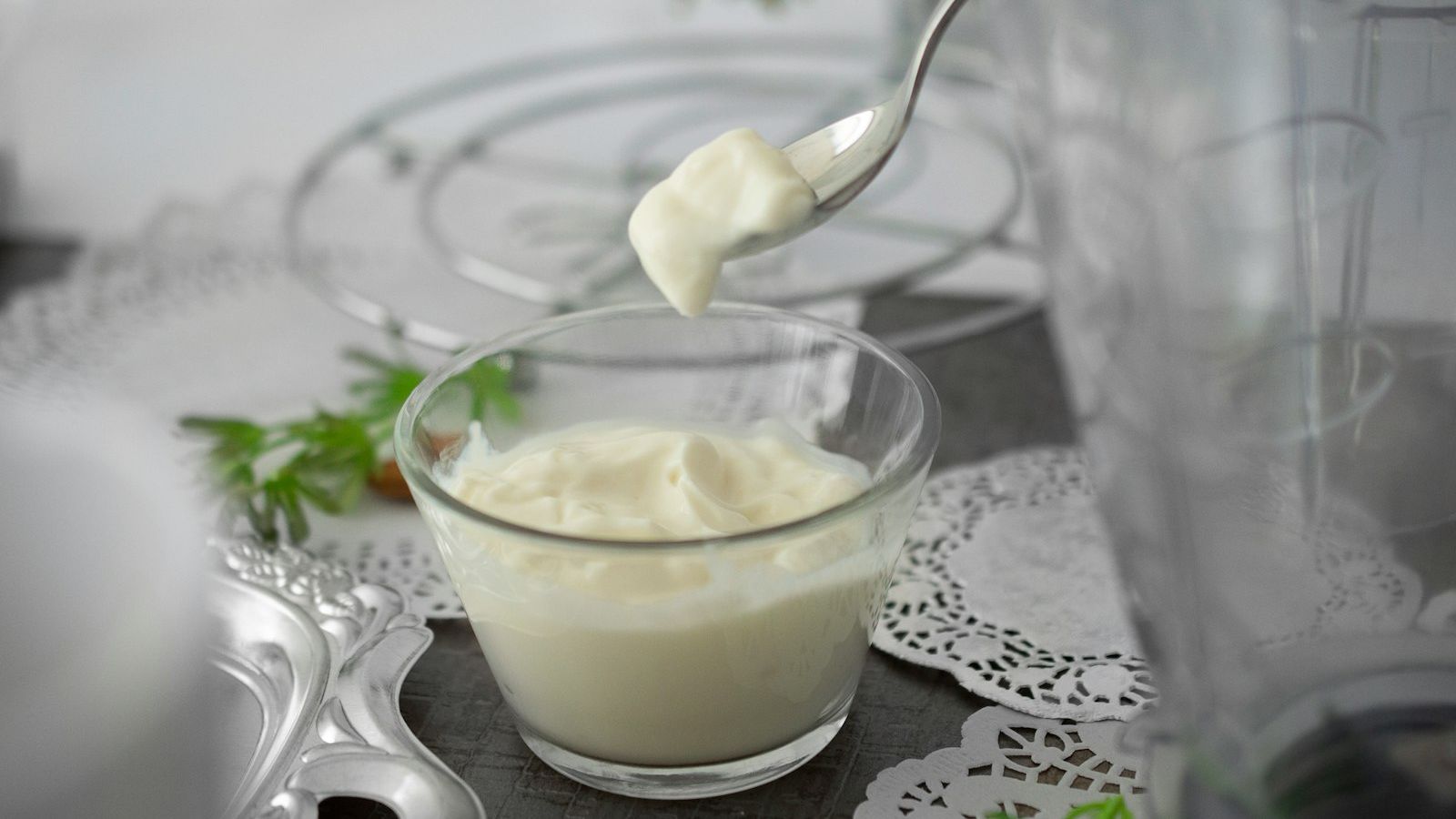
Homemade dahi (curd): The gold standard Indian probiotic. Homemade dahi contains Lactobacillus delbrueckii, Streptococcus thermophilus, and various regional strains depending on the starter culture. Critical point: homemade dahi is far superior to commercial packaged yogurt, which often contains fewer live cultures and added sugar. Use a fresh starter every few days for maximum culture diversity.
Buttermilk (chaas/mattha): Diluted dahi with spices - provides probiotics in a liquid form that is easily absorbed. Adding roasted cumin, ginger, and curry leaves enhances digestive benefits.
Kanji: Traditional Punjabi fermented drink made from black carrots or beetroot with mustard seeds. Naturally rich in Lactobacillus species and enzymes. A powerful, easily made probiotic drink.
Fermented rice (pazhankanji): Traditional in Kerala and Tamil Nadu - leftover rice soaked overnight in water, fermented, and consumed the next morning. Rich in Lactobacillus and B vitamins produced during fermentation.
Ambali: Fermented ragi drink from Karnataka. Combines the nutritional benefits of finger millet with probiotic cultures from natural fermentation.
Idli and dosa batter: Properly fermented for 12-16 hours, the batter contains significant Leuconostoc and Lactobacillus populations. The fermentation also breaks down phytic acid, improving mineral absorption from the rice and urad dal.
Traditional pickles: Oil-based Indian pickles that are naturally fermented (not vinegar-preserved commercial varieties) contain beneficial bacteria. Mango, lemon, and mixed vegetable pickles made traditionally serve as probiotic condiments.
Best Indian Prebiotic Foods
Banana (especially slightly green/raw): Contains resistant starch and FOS that feed Bifidobacteria. The more unripe the banana, the higher the resistant starch content. Raw banana sabzi (kachche kele ki sabzi) is an excellent prebiotic food.
Garlic and onion: Among the richest natural sources of inulin and FOS. Cooked forms retain prebiotic properties. Use liberally in daily cooking.
Chicory (kasni): Extremely rich in inulin. Available in India as kasni powder or fresh greens in some regions.
Whole oats: Beta-glucan fiber that feeds beneficial bacteria and improves immune function. Use steel-cut or rolled oats, not instant.
Cooked and cooled rice: Cooling converts some starch to resistant starch. The traditional South Indian practice of eating yesterday's rice (pazhankanji) is accidentally brilliant - the resistant starch feeds butyrate-producing bacteria.
Lentils and legumes (dal): GOS in lentils feeds beneficial gut bacteria. Despite being high-FODMAP for some IBS patients, for the general population, regular dal consumption supports microbiome diversity.
Flaxseed: Contains both soluble fiber (mucilage) and lignans that support beneficial gut bacteria, particularly those in the estrobolome that metabolize estrogen.
When Supplements Are Actually Needed
While food-based approaches should be the foundation, certain situations warrant supplementation:
After antibiotics: A course of antibiotics significantly disrupts microbiome diversity. A multi-strain probiotic (minimum 10 billion CFU containing Lactobacillus and Bifidobacterium strains) for 4-8 weeks post-antibiotics helps restore diversity. Research by Hempel et al. (2012) in JAMA confirmed that probiotic use alongside and after antibiotics reduces antibiotic-associated diarrhea by 42%.
Active IBS symptoms: Specific strains have evidence for IBS - Bifidobacterium infantis 35624 reduced all IBS symptoms in a trial by Whorwell et al. (2006) in the American Journal of Gastroenterology. Multi-strain combinations like VSL#3 have evidence for IBS with bloating.
After gastroenteritis: Food poisoning or infectious diarrhea disrupts the microbiome. Saccharomyces boulardii (a probiotic yeast) and Lactobacillus rhamnosus GG have the strongest evidence for post-infection recovery.
During pregnancy and breastfeeding: Specific strains may reduce the risk of eczema and allergies in infants. Lactobacillus rhamnosus GG and Bifidobacterium lactis BB-12 have the most evidence in this context.
Chronic prebiotic supplementation: If dietary fiber intake is consistently low (below 20g daily) and cannot be immediately corrected, partially hydrolyzed guar gum (PHGG) or GOS supplements can provide prebiotic support while dietary changes are being implemented.
Common Mistakes People Make
Taking probiotics without prebiotics: Introducing bacteria without feeding them is like planting seeds without watering. The probiotics pass through without colonizing. Always combine supplementation with prebiotic-rich foods.
Choosing supplements by brand name rather than strain: "Probiotic" is not a useful label. Look for specific strain names (e.g., Lactobacillus rhamnosus GG, not just "Lactobacillus"). Different strains have different evidence for different conditions.
Insufficient dose: Many commercial Indian probiotic supplements contain 1-2 billion CFU - below the threshold shown to be effective in clinical trials (typically 10-50 billion CFU for therapeutic benefit).
Expecting overnight results: Microbiome change takes time. Allow 4-8 weeks of consistent use before assessing whether a supplement is helping. Studies showing benefit typically run 8-12 weeks.
Killing probiotics with hot food: Adding probiotic-rich dahi to boiling hot dal or rice kills the live cultures. Add dahi after food has cooled to eating temperature, or consume it as a side dish.
Ignoring the root cause: Probiotics are a bandage if you continue eating the foods that caused dysbiosis. Address processed food intake, manage stress, sleep adequately, and build dietary fiber before relying on supplements.
Key Takeaways
Probiotics are live bacteria that provide health benefits; prebiotics are fibers that feed beneficial bacteria already in your gut. Both are needed for optimal gut health - consuming them together (synbiotics) produces the greatest benefit. Indian food culture is rich in natural synbiotics: dahi with banana, fermented foods with fiber-rich meals, kanji with vegetable-rich diets. Homemade dahi is superior to commercial yogurt and most probiotic capsules for daily gut maintenance. Prebiotics from garlic, onion, banana, legumes, and cooled rice are as important as probiotics - possibly more so for long-term gut health. Supplements are warranted after antibiotics, during active IBS, after gut infections, and when dietary approaches alone are insufficient. Choose supplements with strain-specific evidence for your condition, at therapeutically relevant doses (10+ billion CFU). Always address the root causes of gut disruption (diet, stress, sleep, medications) alongside probiotic and prebiotic strategies.
Want a personalized gut health protocol with the right probiotic and prebiotic strategy for your situation?
Book a consultation with Dt. Trishala Goswami on WhatsApp: Click here to book
Medical Disclaimer: This article is for educational purposes only. Probiotic supplements may not be appropriate for immunocompromised individuals or those with severe gut barrier dysfunction. If you have a serious medical condition, consult your gastroenterologist before starting probiotic supplementation. Fermented foods are generally safe for healthy individuals but may need to be introduced gradually if you have significant gut dysbiosis.
Want to fix your digestion for good? Explore our Gut Health program with Dt. Trishala Goswami.
MSc Clinical Nutritionist · Diabetes Educator · Certified Nutrigenomics Specialist
Dt. Trishala Goswami is a clinical nutritionist and certified diabetes educator who designs personalized, science-backed nutrition programs for clients across India and abroad. She specializes in diabetes, PCOS, gut health, and nutrigenomics.
More about Dt. TrishalaWant a personalised Gut Health plan?
Articles can’t replace personalised care. Book a 30-min consultation with Dt. Trishala.
Living outside India? See how online consultations work for NRIs & global clients →
Related reads
The Best Foods for Gut Health: An Indian Dietitian's List
A healthy gut is built from everyday Indian food, not expensive supplements. A clinical nutritionist ranks the best foods for gut health - dahi, fermented batters, dals, and prebiotic vegetables - and how to eat them for real results.
Constipation Solutions: Beyond Fibre and Water
You are eating enough fibre. You are drinking enough water. And you are still constipated. A clinical nutritionist explains the hidden causes - from magnesium deficiency to thyroid dysfunction - and what actually works.
Fermented Indian Foods: Your Gut's Best Friends
Indian cuisine is one of the world's richest traditions of fermented foods - from idli batter to kanji to chaas. A clinical nutritionist explains the probiotic science behind these everyday preparations.